

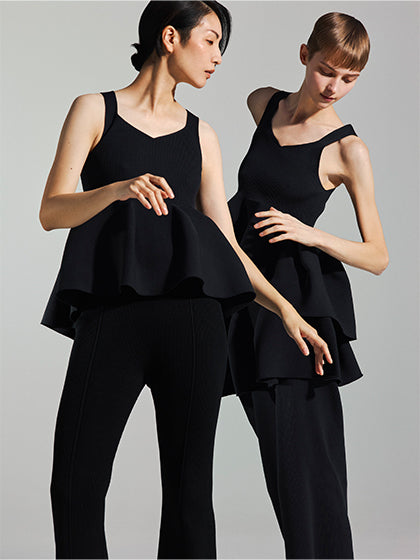
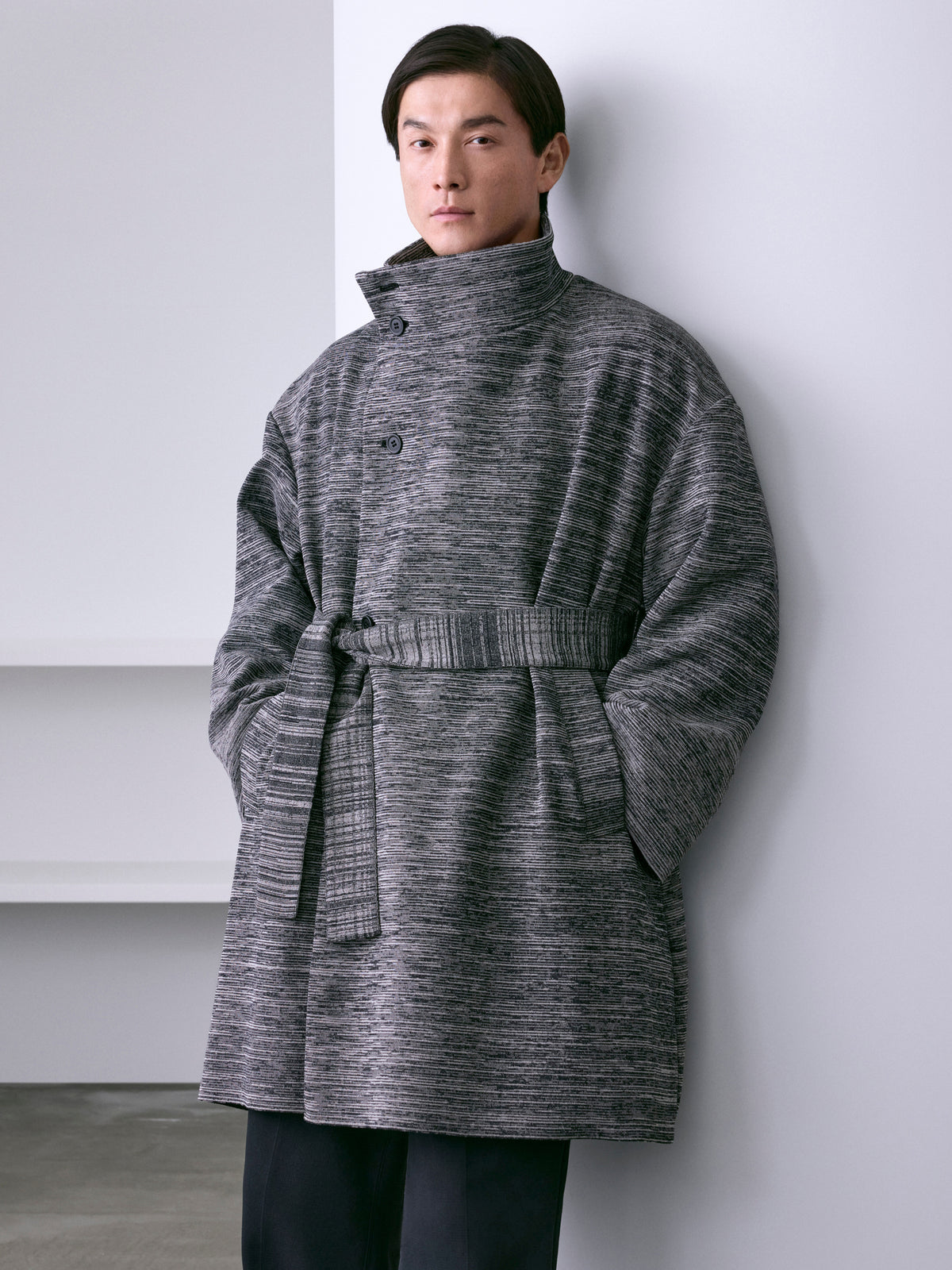

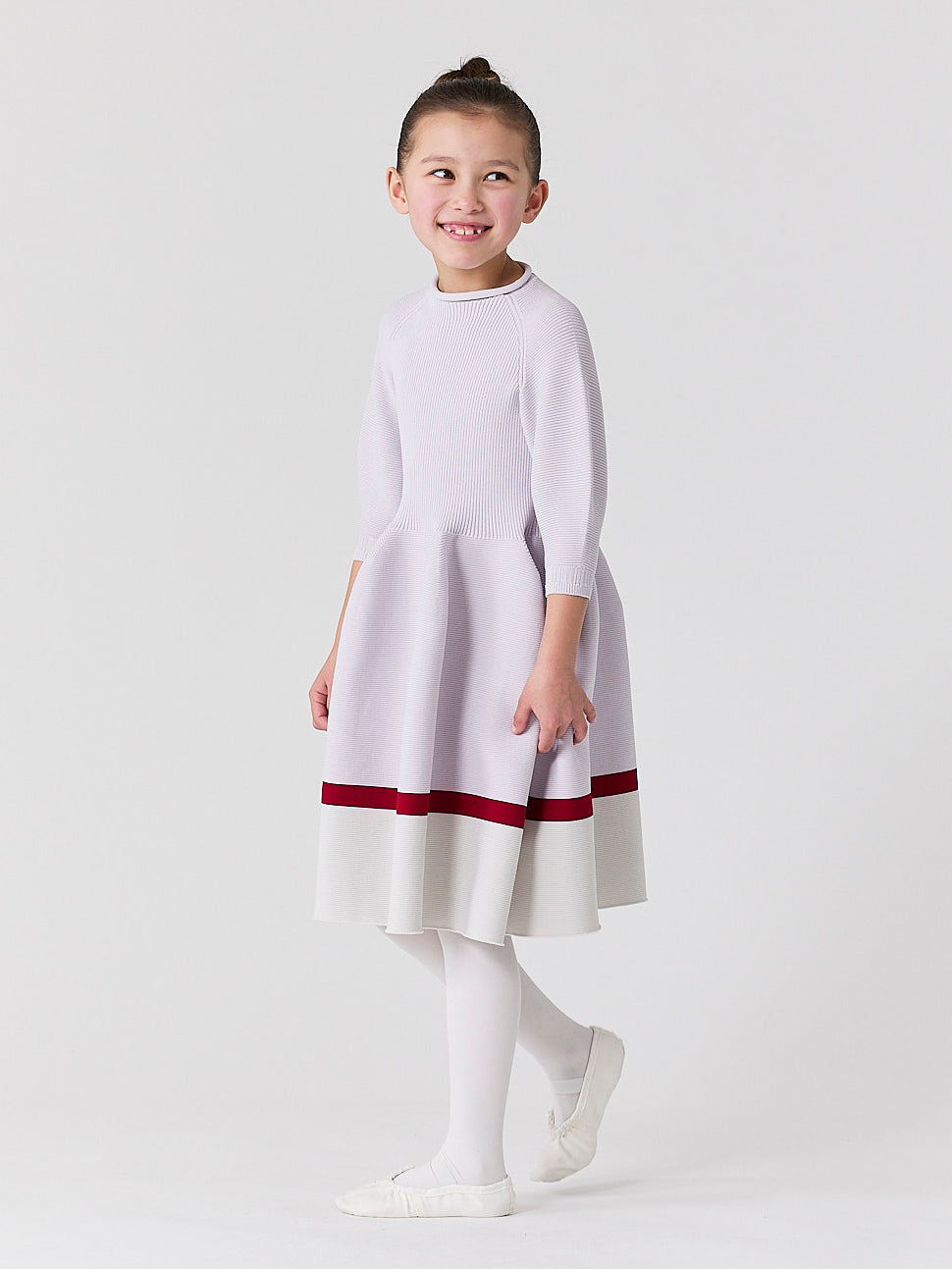
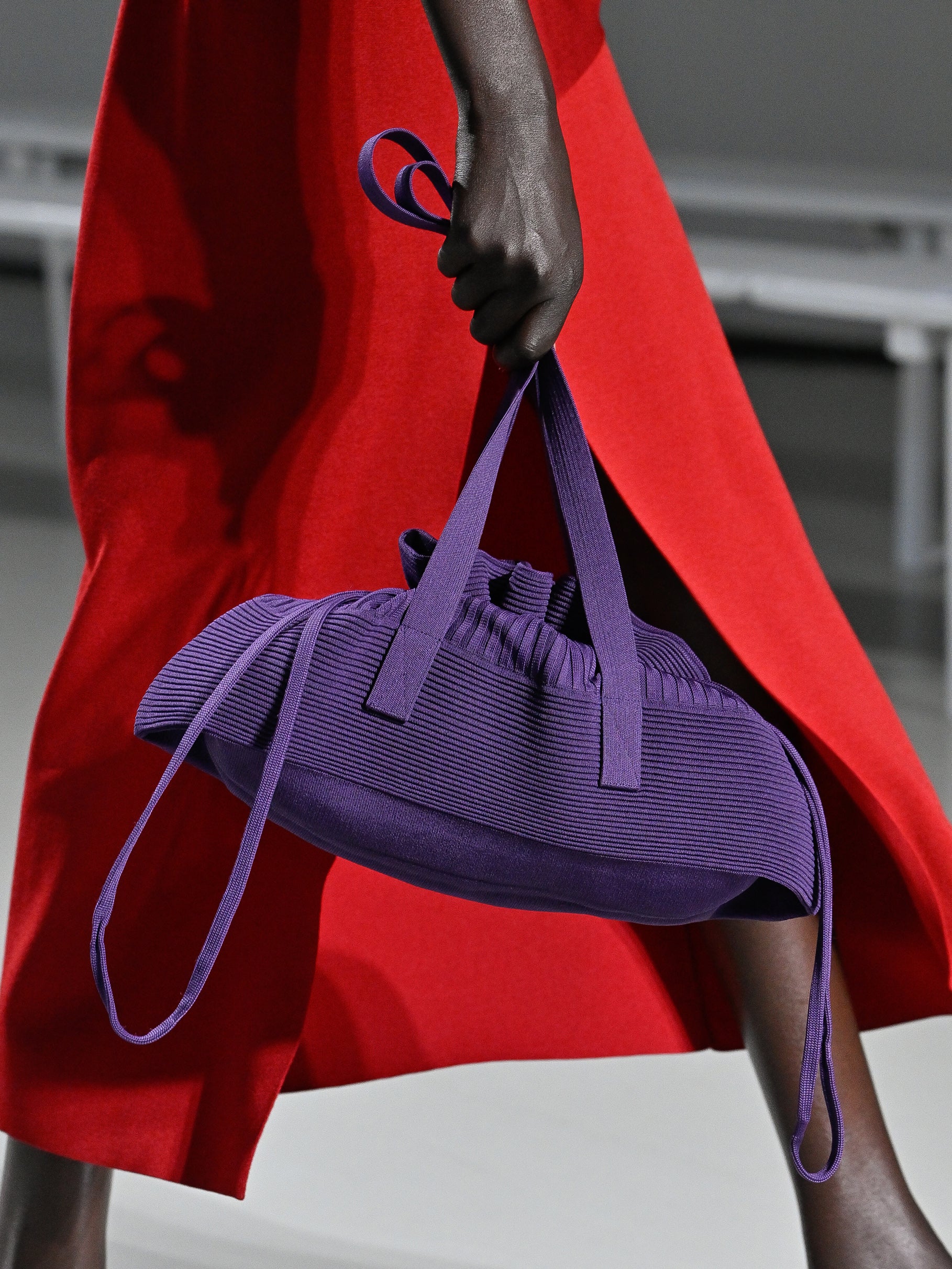


Since its founding, CFCL has aimed to achieve carbon neutrality by 2030, with the calculation of Life Cycle Assessments (LCA) for all product numbers by 2025 as a key milestone. Beginning with LCA calculations for a single dress in its first season, the scope has expanded steadily each season, reaching 238 product codes by VOL.10. This now encompasses all clothing and accessory product codes handled by CFCL, excluding perfume, incense, and sunglasses.
Furthermore, beginning with this report, we have transitioned to a cross-departmental structure to advance activities related to “Consciousness.” What began with a single individual during our founding period and was managed by three to four people from VOL.6 has now evolved. Starting this season, these activities are integrated into the daily operations of each department, including Planning, Production, Logistics, Sales, and Stores, thereby extending responsibility across the entire organization.
We expect this approach to enhance the precision of verification across all areas, as insights from the front lines, such as production management closely examining every stage of the manufacturing process and store staff gathering customer feedback, are directly reflected in our initiatives. Building on this foundation, we will continue to advance steadily toward achieving both business growth and a reduced environmental impact.
In VOL.10, we focused on the following three areas and conducted specific verification and evaluation for each:
1. Material
Verification of certified material usage rates and of material selection based on producers’ working conditions and environmental impact
2. LCA (Life Cycle Assessment)
・LCA verification for products using lamé yarn
・LCA verification for products using mohair
・LCA verification for products using solution-dyed yarn
3. Progress on Achieving a Closed-Loop System
Launch of the secondary distribution service “Next Loop” and evaluation of the results of consumer awareness surveys
Percentage of materials certified as meeting responsibilities to the global environment and producers’ working conditions.
Figure 1: Material usage ratio for the VOL.10 Collection (*1)

*This calculation does not include accessory materials such as buttons, zippers, cords, and waist elastic, due to their low proportion relative to raw materials.
In VOL.10, 87.8% of the primary materials used in production have been certified by third-party organizations based on their consideration of the global environment and fundamental human rights. This represents a 6.4 percentage point increase from VOL.8, achieving the highest certification rate for materials used in a Fall/Winter season to date. The trend in these figures demonstrates the steady expansion of CFCL’s ongoing adoption of certified materials. The increase in the ratio is largely attributed to the expanded use of GRS-certified recycled polyester, which accounts for approximately 80% of all materials in VOL.10.
This season, CFCL reached a milestone with the launch of its 10th collection, prompting a return to the fundamentals of creation. While we have broadened material variations, a renewed focus on creations centered on recycled polyester is reflected in the increased usage rate. We also continue to use other certified materials such as cupro (RCS*1), cotton in conversion (OCS*2), and organic cotton (GOTS*3). Regarding wool and mohair, which were identified as challenges in the VOL.8 report, we have partially switched to RWS*5 and RMS*6 certified materials. However, challenges remain in sourcing the remaining 12.1% of non-certified materials, including wool, virgin polyester, and virgin nylon.
To achieve full traceability, starting with VOL.12, we plan to introduce non-mulesing yarn for wool, further strengthening our commitment to animal welfare and environmental considerations. Through these ongoing efforts, CFCL aims to achieve 100% certified material usage by 2030.Simultaneously, we will continue to pursue material selections that value both the sophistication and ethics at the core of our brand, while enhancing supply chain traceability.
Figure 2: Trend in Certified Material Usage Ratio for Fall/Winter Seasons


For the VOL.10 Collection, CFCL achieved LCA (Life Cycle Assessment) calculations for all clothing and accessory products, excluding perfume, incense, and sunglasses. This season marks a significant milestone in the efforts we have pursued since our founding.
Approximately 60%*4 of the greenhouse gas emissions associated with our business activities stem from the garment manufacturing process. Therefore, we consider an accurate understanding of the environmental impact of product manufacturing to be our most important responsibility. We began calculating LCA on a per-product basis with our first collection.
Each season, we have diligently continued the meticulous work of gathering and compiling the activity data, including energy consumption, operating hours, and raw material quantities, required for LCA calculations at each process stage. This has involved repeated consultations with yarn suppliers, material processing factories, and product manufacturing plants.
Starting with VOL.11, we are moving beyond measurement into the “reduction” phase, aiming to achieve carbon neutrality by 2030. As a first step, we are organizing the proportion of emissions across our entire business activities, increasing resolution, and beginning to formulate reduction plans.
This report introduces three specific initiatives:
Ⅰ. Calculating products using Glitter yarn
Ⅱ. Calculating products using mohair
Ⅲ. Calculations products for solution-dyed yarn products
I. Calculating products using Glitter yarn

Glitter yarn is a crucial material in CFCL products, supporting both expression and functionality. On the expressive side, it has been continuously adopted to add a touch of glamour to casual knitwear suitable for special occasions. Functionally, it provides a structured and firm feel to stretch knits.
The Glitter yarn (Material 1), used since VOL.2 achieves both design appeal and environmental consideration through its construction: a core of metal-coated recycled polyester yarn covered by yarn made from the same material.Starting with VOL.8, which was featured on the official Paris Fashion Week runway schedule, we expanded our options to include more expressive, non-recycled metallic yarns as an exploration of creative possibilities. VOL.10 utilizes three types of metallic yarns (Materials 2 and 3).

We have also advanced knit fabric development focused on the tension of Glitter yarns. As detailed in the VOL.7 report (here), the HYPHA series previously relied on water-repellent yarns to achieve three-dimensional forms. Through development, incorporating Material 3 into the knit fabric now enables tension without depending on water-repellent yarns.
Evolution of water-repellent agent use

For items 2 and 3, we currently use polyester and nylon primarily made from virgin film. Compared to the stiff texture of virgin film, recycled film tends to lack rigidity and becomes softer, making it less commonly available.
We continue to use these virgin materials while sharing challenges with suppliers and engaging in ongoing dialogue about transitioning to recycled materials. Although mass production development is difficult without sufficient demand during the development phase, we aim to gradually increase the recycled content ratio in areas where it is feasible. This process involves verifying formulations and design conditions that meet the necessary performance requirements while taking into account cost and quality considerations.
The greenhouse gas emissions for products using lamé yarn are as follows:

II. Calculation for products using mohair

Mohair plays a vital role in this season’s collection. Known for its lustrous sheen, lightweight feel, and natural elasticity, mohair is sourced from the fleece of Angora goats raised in South Africa’s Karoo region. Raised in a harsh yet naturally blessed climate, the mohair from these goats is an exceptionally rare material, accounting for less than 0.05% of the world’s natural fibers (*7). The raw wool is sourced from ethically operated farms, properly processed locally, spun overseas, and dyed in Japan. These processes create its smooth, high-quality texture and durability, ultimately leading to its inclusion in the collection.
In VOL.8 report (here), information regarding raw material sourcing and transportation was limited, so LCA calculations primarily relied on secondary data from databases. In VOL.10, clearer information on sourcing locations and spinning sites enabled calculations based on transport distances and conditions closer to the actual supply chain. Consequently, the LCA values for VOL.10 increased slightly compared to VOL.8. This does not indicate a worsening environmental impact, but reflects improved data accuracy, allowing for more realistic values. The calculation results are as follows. (Figure 3)
Figure 3: LCA Calculation for Garments Made using Mohair

To enhance the transparency of raw material sourcing, which was an issue in VOL.8, this season we switched to materials certified by RWS and RMS at the raw material sourcing stage. This represents significant progress in more accurately capturing the realities of the upstream supply chain and is an important step forward in our efforts to promote responsible material selection. Furthermore, clarifying the raw material sourcing locations has allowed us to align the calculation conditions, including transport distances, more closely with reality, improving the accuracy of the LCA calculations.However, certification has not yet been sufficiently adopted across the entire supply chain, and transparency remains inadequate. Acquiring primary data at each process stage continues to be challenging, meaning that improvements at the raw material procurement stage alone are unlikely to enhance transparency across the full supply chain. Given the apparel industry’s unique division of labor and multi-stage processes, obtaining information and expanding certification across the entire supply chain will still require time (Figure 4).
Figure 4: Supply Chain Processes for Mohair (Certification Only at the Raw Material Procurement Stage)
Nevertheless, this transition represents a solid step forward in enhancing transparency in material sourcing and is an important step leading to future improvements. We will continue to engage in dialogue with suppliers, advance the selection of more transparent materials and the acquisition of primary data, and strive for responsible information disclosure.
III. Calculations for products using solution dyed yarn

The STRATA series, a continuous collection since VOL.3, features accessories such as sacoche bags and tote bags characterized by a unique knit fabric combining pin tucks and ribs. Because these products undergo secondary heat processing, maintaining consistent quality and structural integrity throughout the production process is essential. To ensure easier reproducibility after processing, we determined that solution-dyed yarn was the most suitable material. Consequently, from VOL.8 onwards, we have been transitioning from conventional post-dyed yarn to solution-dyed yarn.
Solution-dyed yarn is formed by incorporating pigments directly into the resin during the raw material stage, eliminating the need for the typical “post-dyeing” process. While conventional post-dyed virgin polyester yarn requires approximately 10 liters of water per kilogram, solution-dyed yarn requires virtually zero water for dyeing, significantly reducing the overall water footprint.
Regarding greenhouse gas (GHG) emissions, our comparison (calculated per kg of yarn) showed that solution-dyed yarn yields emissions that are equivalent to or slightly lower than those of post-dyed yarn. While the specific environmental impact can vary based on the type of yarn and machinery used, no significant increase in GHG emissions was observed compared to traditional methods.
While solution-dyed yarn is often used in industrial applications and can have limited variations in color and specifications, the STRATA series intentionally combines virgin and recycled solution-dyed yarns. This is not a compromise due to constraints, but a deliberate design choice to ensure rich color development and structural precision while meeting our sustainability goals.
The greenhouse gas emissions of products using solution-dyed yarns are shown below.

Overall, from the perspective of reducing water use, solution-dyed yarns demonstrate advantages across the board. In terms of reducing greenhouse gas emissions, recycled solution-dyed yarns show particular strengths. Taking these characteristics into account, we consider the adoption of solution-dyed yarns in the STRATA series to be a material choice that contributes to reducing environmental impact.
Comparison of Emissions: Recycled Polyester Virgin Yarn (Left) vs. Virgin Polyester Virgin Yarn (Right)

Looking ahead, we aim to further enhance our sustainable sourcing. In addition to expanding the use of solution-dyed yarns, we have set a mid-term goal to increase the ratio of recycled and certified materials that ensure environmental traceability. We remain committed to ongoing dialogue with our suppliers to find the ideal balance between environmental responsibility and creative excellence.
CFCL launched its proprietary secondary distribution service, “Next Loop,” to realize post-consumer circularity. While we previously defined a brand’s responsibility as extending only to product sales, this initiative stems from the belief that taking responsibility for the “end point” after products reach customers is the next standard. (Next Loop Special Page: here)
“Next Loop” is an initiative where CFCL itself collects, repairs, and redistributes its worn-out garments, aiming to achieve a closed-loop system.We partnered with “RAGTAG,” a brand specializing in pre-owned clothing, and began collection in May 2025. Furthermore, starting with the pop-up “CFCL NEXT LOOP” at NEWoMan TAKANAWA, we began selling repaired knitwear. After the pop-up ended, we continued to offer secondary market items alongside the current season’s collection at our new store, “CFCL TAKANAWA.”
The number of items collected since the May 2025 launch are as follows:
■ Collection Results (May – September 2025)
・Total items collected: 265 items (211 purchased / 54 donated)
・Items unsuitable for resale: 7 items (2.6% of total collected)
Clothing collected is inspected piece by piece at CFCL, undergoes necessary maintenance, and only items meeting our company’s established sales standards are purchased and resold. Even items that are repaired but ultimately deemed unsuitable for resale are not discarded but stored. Furthermore, garments with significant damage at the time of collection that are difficult to repair are not eligible for purchase, but we offer free collection at our stores.
We are developing a system to recycle these garments into raw materials in the future, allowing them to circulate again as new products. Through these efforts, we aim to achieve a fully closed-loop system in which we take responsibility for the destination of all collected garments.
The pop-up event “CFCL NEXT LOOP” (September 12 – October 12, 2025), held to launch the sale of secondary market products, resulted in sales of 162 items. Additionally, to gain a deeper understanding of visitors’ behaviors and needs, we conducted a survey on awareness of the secondary market (N=49) during the event period. This yielded several insights that will inform our next steps.
The survey allowed us to understand customer behavior and values regarding the secondary market, including reasons for purchasing Next Loop products and attitudes toward the final disposal of unworn clothing.
Key trends are shown in the figure below.
1. Reasons for purchasing Next Loop (multiple answers allowed)
The most common reason cited was affordability (67.3%), followed closely by design/appearance (65.3%). Additionally, the good condition of the products (46.9%) and sustainability initiatives (34.7%) received significant support. This suggests that confidence in quality and shared environmental values are key factors driving customer

2. Final Disposal of Unworn Clothing (multiple answers allowed)
Combining “Reuse/Recycle” and “Handover” accounted for approximately 83% of total responses, a significant proportion. However, about 45% of respondents also answered “Disposal.” While interest in circularity is growing, a certain number of people still choose disposal in their actual actions, suggesting a gap between awareness and behavior.

3. Frequency of Purchasing Pre-owned Products
The most common purchase frequency for secondary market goods is “a few times a year,” accounting for over half of all responses. A further 36% indicated this was their “first time,” suggesting Next Loop’s initiative may have served as an initial trial for potential customers who may have previously avoided reused items.

4. Concerns When Purchasing Pre-owned Products(multiple answers allowed)
The most significant concern is “product condition,” emphasized by approximately 76% of respondents. This is followed by “hygiene,” with “size suitability” also accounting for a notable proportion. Quality and practicality are thus major decision criteria. Meanwhile, concerns like “no returns/exchanges” and “authenticity” also exist for a certain number of people, indicating high interest in “reliability.”

This survey confirmed that in the secondary market, “reliable quality” is an indispensable purchasing criterion alongside practical aspects like “price and design. Furthermore, the existence of a segment that has not fully translated their interest in resource circulation into action provides important insights for considering the future direction of circular services . It also became clear that official brand initiatives could be an effective option for engaging this segment.
Based on these findings, CFCL will advance the development of systems to regenerate collected products into raw materials while further strengthening quality standards and circular cycle operations. We aim to establish secondary markets as a more accessible and trustworthy option, leading to continuous waste reduction and the promotion of resource circulation. To connect the value of manufacturing to the future, we will continue to sincerely address our “responsibility after use” once products reach customers’ hands.
*1 RCS (Reclaimed Content Standard) is an international certification that verifies whether a finished product contains at least 5% recycled material in its raw materials.
*2 OCS (Organic Content Standard) certification is an international standard where a third party verifies the organic material content in a product. It guarantees the traceability of organic materials from raw materials to the final product, providing reliability.
*3 GOTS (Global Organic Textile Standard) is an international standard developed by leading international standard-setting bodies. It establishes global rules to ensure “textile products are truly organic”—from raw material harvesting through socially responsible manufacturing to labeling that provides consumers with reliable assurance.
*4 These figures are based on greenhouse gas emissions measured for CFCL’s overall business activities during the period from September 2022 to August 2023, totaling 2,602.79 tCO₂e. Of this total, 1,555 tCO₂e are attributable to apparel manufacturing processes—including raw material procurement, yarn production, material processing, and garment manufacturing—representing approximately 60% of total emissions.
*5 RWS (Responsible Wool Standard Certification): An international voluntary standard established by Textile Exchange, a global non-profit organization promoting proactive action against climate change across the fashion, textile, and apparel industries. It defines traceability management (chain of custody) for wool from certified farms to the final product.
*6 RMS (Responsible Mohair Standard Certification): Similar to RWS certification, this is an international voluntary standard established by the non-profit organization Textile Exchange. It defines traceability management (chain of custody) of angora goats from certified farms to the final product.
*7 Textile exchange (Reference)
WHISTLE BLOWING
If any director, officer, or employee of CFCL discovers a potential violation of CFCL policy or a potential legal violation, they may contact the inquiry window below at any time.
Contact: Attorney Hayaya Komatsu (Mimura Komatsu Law Office)
Email:komatsu.junya@mktlaw.jp
CFCL’s latest policies are documented here.


