



VOL.11 REPORT
2026.06.04

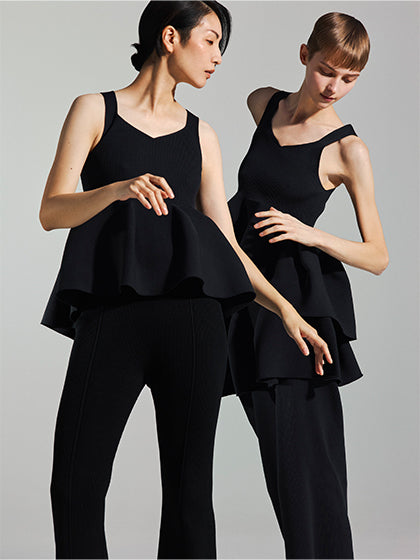
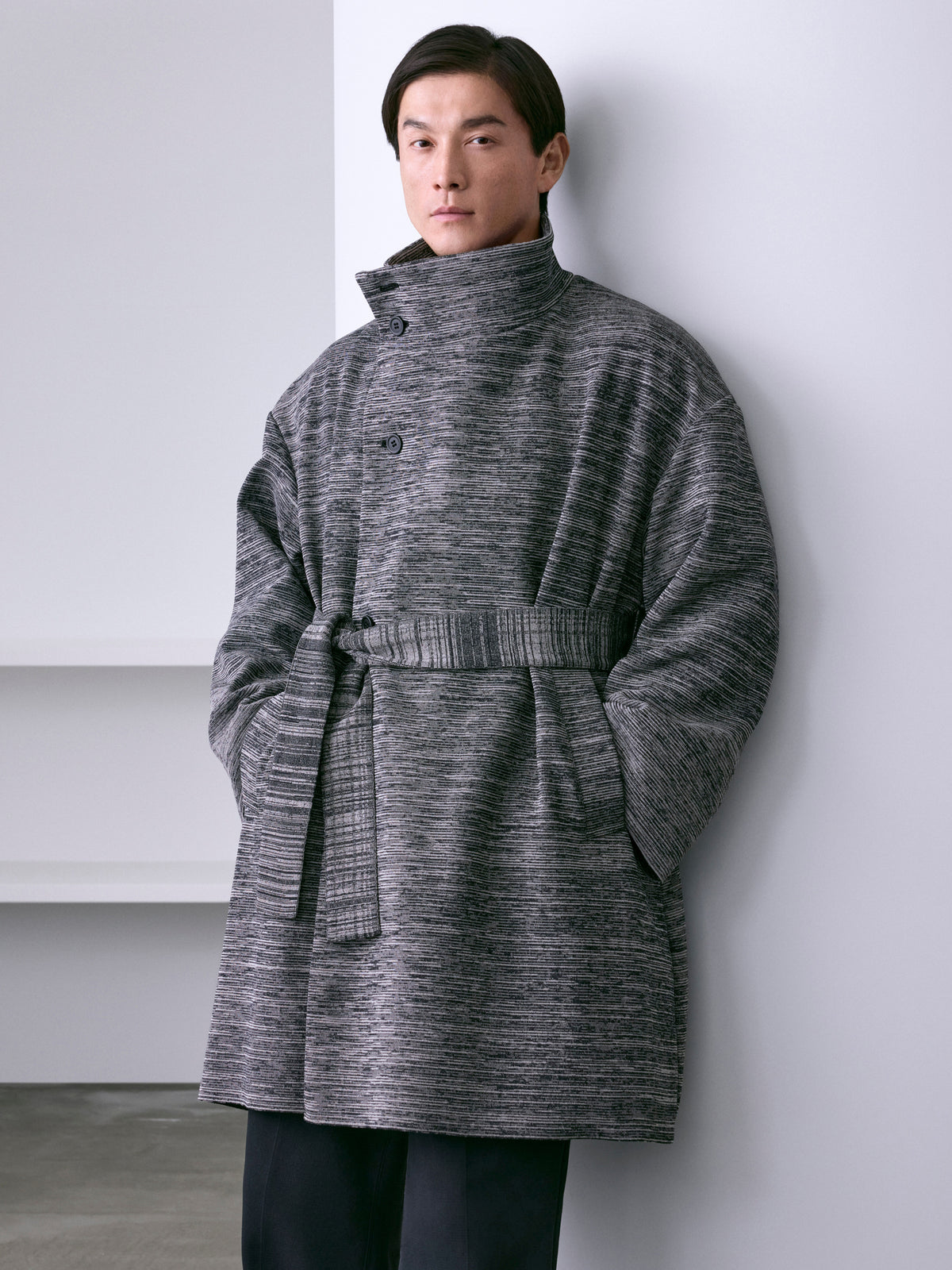
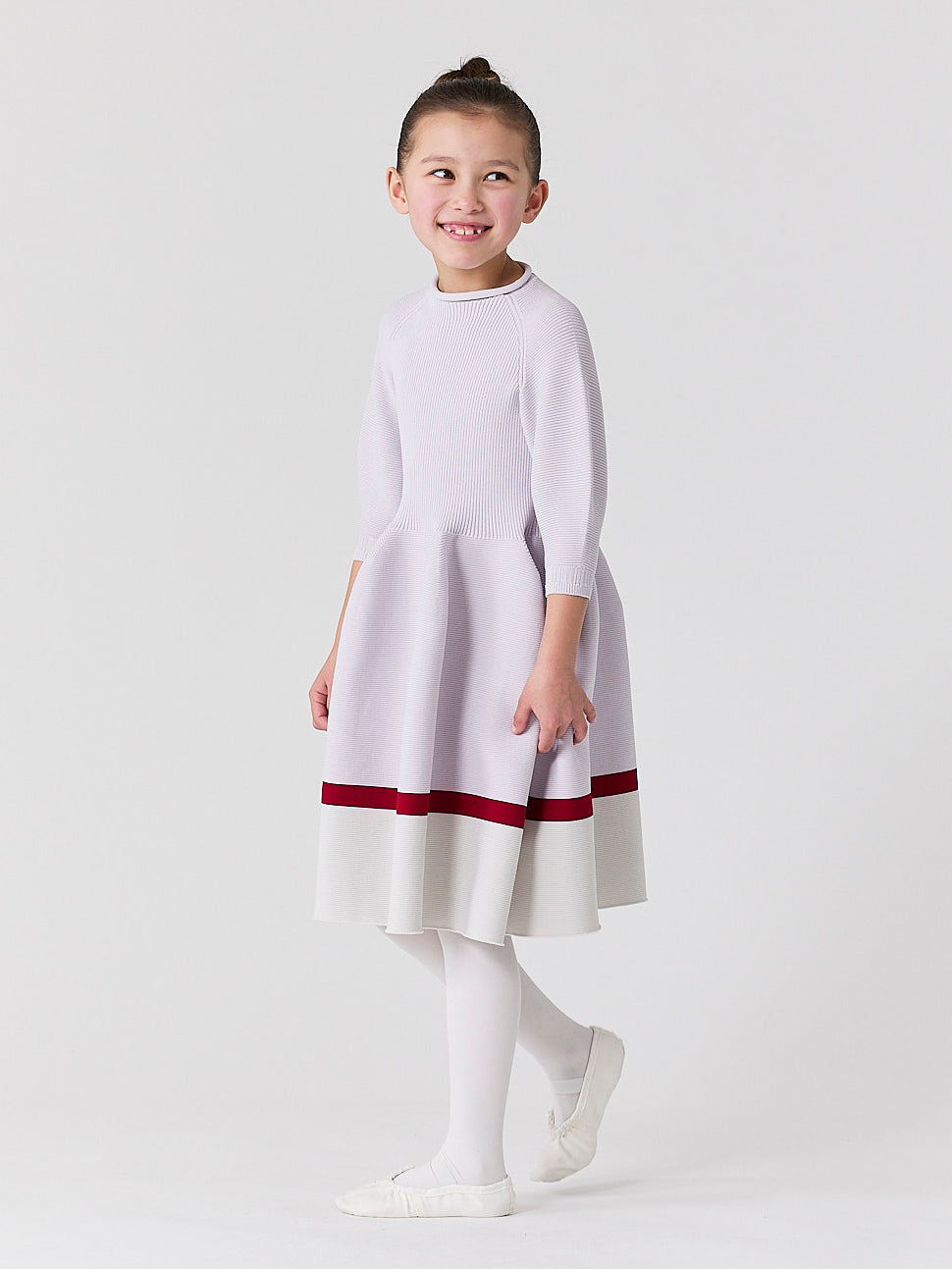
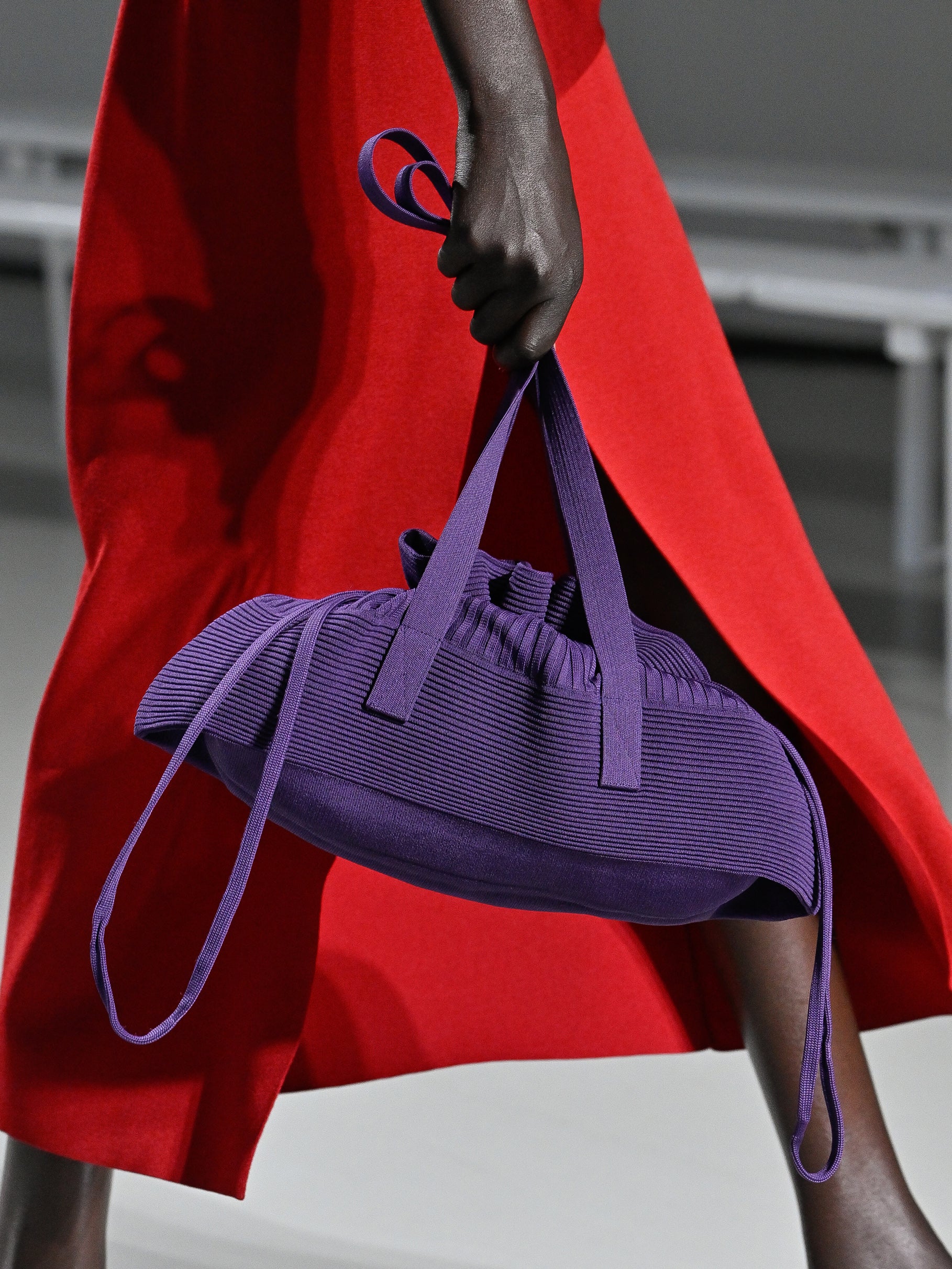
Since its founding, CFCL has continued to propose "Clothing for Contemporary Life," pursuing craftsmanship that emphasizes functionality, environmental consideration, optimal material selection, and supply chain transparency.
Our long-term commitment to sustainability continues to make steady progress with each season. With the goal of achieving carbon neutrality by 2030, the Life Cycle Assessment (LCA) calculations initiated at our founding have now expanded to cover all garment items. We are now moving from the calculation phase into a process of concrete verification. Our steps towards ensuring supply chain transparency also continue; in addition to close collaboration with domestic knitting, dyeing, and spinning factories, we have expanded our research scope to include the upstream stages of raw material procurement overseas.
Regarding material selection, for the VOL.11 Collection (Spring/Summer 2026), we introduced new materials such as washi (Japanese paper) yarn, transparent yarn, and bamboo-derived materials to broaden our range of expression. As a result, the usage rate of certified materials has decreased. We take this fact seriously as a trade-off that occurred between the evolution of our creation and environmental responsibility.
To address these challenges without compromising either the sophistication or the ethics that are the foundation of our brand, this report provides an honest account of our current status and the specific actions we are taking toward the future.
In VOL.11, we focused on the following three areas for specific verification and evaluation:
1. Material Procurement
・Verification of certified material usage rates and material selection considering producers' working environments and environmental impact.
2. LCA (Life Cycle Assessment)
・Analysis of LCA calculation results for VOL.10/VOL.11 products.
・Verification of LCA results for products using Cotton-in-Conversion.
・Verification of LCA results for products using bamboo-derived yarn.
・Verification of LCA results for products using paper-based materials.
3. IMPACT
・B Corp Re-certification: Current status and progress of social impact initiatives.
MATERIAL
Ratio of materials certified to support responsibility toward the global environment and producers' working environments.

Figure 1: Ratio of materials used in the VOL.11 collection *1
*This calculation does not include accessory materials such as buttons, zippers, cords, and waist elastic, due to their low proportion relative to raw materials.
At CFCL, we actively promote the use of materials that have been certified by third-party organizations for the fulfillment of responsibility toward the global environment and basic human rights starting from the raw material stage. On the other hand, in VOL.11 (Spring/Summer 2026), the usage rate of certified materials decreased by 2.7% compared to VOL.9 of the same season last year (Figure 2).
With "Concreteness" as the theme for VOL.11, inspired by the "Concrete Art" proposed by Jean Arp, we developed a new form of Knit-ware using materials that reflect a transparent vision while expanding the imagination of the concrete. In selecting materials for Spring/Summer, we prioritized lightness, easy care, and adaptation to increasingly long summers. As a result, to achieve further weight reduction, transparency, and structural flexibility across the collection, the use of virgin polyester and virgin nylon—which currently fall under non-certified materials—has expanded.
Consequently, while the adoption of certified natural fibers such as Cotton-in-Conversion and organic cotton has increased, the ratio of recycled materials such as recycled polyester and cupro, which have been at the heart of our creations, has decreased. Additionally, as we broaden our range of expression, some products utilize non-certified materials such as bamboo rayon and paper materials.
Expanding the proportion of certified materials continues to involve practical challenges in procurement. Specifically, factors such as minimum order quantity restrictions, high development costs, and the limited availability of specialized yarns act as constraints when developing more technical and complex designs while maintaining the high functionality and sophisticated beauty we demand. Therefore, at this stage, it is not always realistic to complete all creations using only certified materials.
One example is the transparent monofilament yarn adopted as a symbolic material of VOL.11 to achieve the lightweight and transparent feel central to the collection. For VOL.11, this material was used in 19% of all items. While recycled yarn options exist, we opted for virgin materials due to supply limitations and the perspective of maintaining the structural quality we require.
Such decisions reflect the practical difficulties of integrating certified materials while balancing CFCL's design aesthetics and production requirements at a high level. At the same time, CFCL is further deepening its ongoing collaboration with the supply chain and manufacturing partners toward the goal of achieving a 100% certified material usage rate by 2030. To expand the options and adaptability of certified materials without compromising the sophistication and traceability of our creations, we will continue to steadily address challenges in material procurement.
Figure 2: Percentage of certified materials used in the Spring/Summer season

LCA
Analysis of VOL.10/VOL.11 LCA Calculation Results
Following VOL.10, we conducted greenhouse gas (GHG) emission calculations for all items in VOL.11 as well. We report on the realities of GHG emissions generated during the year-round garment manufacturing process, the challenges identified, and future initiatives. *The calculation scope covers the entire life cycle from raw material procurement to material processing, product manufacturing, storage, use, and disposal. Based on data collected in collaboration with suppliers, processes for which direct collection is difficult are supplemented using publicly available environmental databases, and we are continuing efforts to improve accuracy.
I. Overview of Emissions for Two Seasons
Figure 3: Total Greenhouse Gas Emissions for VOL.10 / VOL.11

As shown in Figure 3, VOL.11 (Spring/Summer 2026) was 241,161 kg-CO2e, with VOL.10 exceeding VOL.11 by approximately 17%. The primary factor for this difference is the adoption of animal fibers. Comparing the average per garment, VOL.10 was 11.7 kg-CO2e/1pc and VOL.11 was 7.4 kg-CO2e/1pc, suggesting that the material composition in the Fall/Winter and Spring/Summer seasons impacts emissions (Figure 4).
Figure 4: Emissions per garment (kg-CO2e/1pc)

In terms of distribution, the percentage of products exceeding the apparel industry average (25.5 kg-CO2e/1pc) based on the Ministry of the Environment's survey *2 was 6.1% for VOL.10 and only 0.4% for VOL.11 (Figure 5). The majority of CFCL products fall below the industry average, achieving relatively low emission levels. This is due to the use of recycled materials as primary raw materials, as well as garment manufacturing specialized in knitting, which has fewer production processes compared to woven fabrics.
Figure 5: Distribution of emissions per garment

II. Material Impact
Material selection is the single largest factor determining emissions per garment. LCA data from the previous two seasons revealed that animal fibers in Fall/Winter and virgin synthetic fibers in Spring/Summer are the main drivers pushing up emissions.
1. VOL.10 — Animal Fibers
In Fall/Winter, the adoption of animal fibers such as cashmere, mohair, and wool increases due to seasonality, but LCA data indicates that these materials are the main reason for significantly higher emissions per garment. In VOL.10, while the usage rate of animal fibers was 5.8% of the total, the GHG emission ratio was 35.5%, equivalent to approximately six times their usage amount (Figure 6).
Figure 6: Comparison of animal fiber usage rate and GHG emission ratio

Looking at mohair products, figures exceed 90 kg-CO2e/1pc, such as the MOHAIR CARDIGAN (93.05 kg-CO2e/1pc) and MOHAIR PULLOVER (92.49 kg-CO2e/1pc). Mohair carries a high environmental burden due to methane gas generation during the raw material procurement stage (goat rearing process) and grazing land management. A similar trend is observed with cashmere, followed by the CASHMERE HOODIE TOP (89.97 kg-CO2e/1pc). These figures show that material selection greatly influences the emission level of the entire collection (Figure 7).
Figure 7: GHG emissions of products using animal fibers

In fact, comparing the MOHAIR CARDIGAN with the POTTERY SHORT BELL SLEEVE FLARE DRESS (7.51 kg-CO2e/1pc) made of recycled polyester of the same weight (approx. 0.66 kg), the difference in emissions is approximately 12-fold simply due to the difference in material type, even though the weight is identical (Figure 8).
Figure 8: Comparison of GHG emissions between products of the same weight (approx. 0.66 kg)

*This is a reference value showing the difference in emissions derived from materials and is not a comparison of products with aligned uses or functionality.
2. VOL.11 — Virgin Synthetic Fibers
The overall average emissions for Spring/Summer, which does not use animal fibers, are lower than those for Fall/Winter. However, LCA data shows that virgin synthetic fibers are a factor pushing up emissions per garment. In VOL.11, while the virgin synthetic fiber usage rate was 7.5% of the total, the GHG emission ratio was 13.7%, approximately 1.8 times the amount used (Figure 9).
Figure 9: Comparison of virgin synthetic fiber usage rate and GHG emission ratio

For example, the FLUFFY CAMISOLE LONG DRESS, which uses virgin nylon and virgin polyester yarn, is 20.29 kg-CO2e/1pc, one of the highest emission items in VOL.11. The transparency and metallic texture of this material are important elements in CFCL's design, but currently, they cannot be expressed using low-emission recycled materials (Figure 10).
Figure 10: GHG emissions of products using virgin nylon and virgin polyester yarn

To achieve carbon neutrality by 2030, it is necessary to incorporate a GHG emission reduction perspective into material selection regardless of the season. Animal fibers in Fall/Winter, in particular, have a large impact on emissions and are an area that should be prioritized. We will continue considering alternative materials that fit CFCL's design, functionality, and dignity, and reviewing the amount of animal fibers used within a range that does not compromise design expression. Regarding virgin synthetic fibers for Spring/Summer, we will work with material manufacturers to explore the possibility of joint development of "low-carbon decorative yarns" with increased recycling rates while maintaining design aesthetics.
III. Energy Impact
Garment manufacturing requires significant amounts of energy, such as heat and electricity, from raw material processing to product sewing and knitting. In CFCL products, emissions derived from electricity use tend to be particularly high. Looking at the process-specific breakdown, the two stages of yarn manufacturing (raw material procurement/material processing) and knitting (product manufacturing) account for a particularly large proportion of emissions (Figure 11). Emissions resulting from power use in the yarn manufacturing process amounted to 19,682 kg-CO2e in VOL.10 and 20,114 kg-CO2e in VOL.11. Due to its nature, almost all emissions in the knitting process are derived from electricity, reaching 73,674 kg-CO2e (26%) in VOL.10 and 76,337 kg-CO2e (32%) in VOL.11. These are all areas with potential for reduction by switching to renewable energy.
Figure 11: Ratio of emissions by process

If the electricity used in the yarn manufacturing and knitting processes were switched to renewable energy, reductions of approximately 93,356 kg-CO2e for VOL.10 and approximately 96,451 kg-CO2e for VOL.11 are expected. This corresponds to approximately 33% and 40% of the respective total emissions, demonstrating that switching to renewable energy is an extremely effective means of emission reduction (Figure 12).
Figure 12: Breakdown of reduction potential through switching to renewable energy by process

IV. Verification Results for Materials used in VOL.11
In VOL.11, we conducted individual verifications focusing on materials newly adopted to broaden the range of expression in the collection. We report on three materials—Cotton-in-Conversion, bamboo-derived yarn (bamboo rayon), and washi (Japanese paper) yarn—from the perspectives of LCA calculation results and supply chain transparency.
1. Cotton-in-Conversion (CIC)

While CFCL uses recycled polyester as its main material, cotton is equally important, particularly for the Spring/Summer season. In the context of environmental changes such as the record-breaking heatwaves of recent years and increasingly long summers, developing Knit-ware for comfortable living is one of the challenges we must address.
For Spring/Summer, we use an internally developed yarn that covers cotton with recycled polyester in pursuit of enhancing comfort. We have realized knitwear that combines the moisture absorption and gentle feel characteristic of cotton with the shape retention and cool feel that utilizes the properties of polyester. Since introducing this yarn in VOL.5, the amount of cotton used has increased season by season, becoming the second most used material after recycled polyester in VOL.11 (Figure 13).
Figure 13: Cotton usage by season

As the amount of cotton used increases, we have begun to look more deeply into the traceability of its production background. In this process, we encountered "Cotton-in-Conversion (CIC = cotton during the organic transition period)" and various challenges hidden in that transition phase. In global fiber production, while polyester accounts for the majority, cotton accounts for approximately 19% (Figure 14) *3. On the other hand, the ratio of organic cotton and cotton in the transition period remains at about 2.9% of all cotton, and its spread is limited *4.
Figure 14: Global fiber production volume

Despite the rapidly increasing demand for organic cotton due to the strengthening of environmental regulations, particularly in Europe, transitioning to organic farming methods involves high entry barriers for farmers. Soil health requires approximately three years to stabilize *5, and cotton harvested during this period cannot obtain organic certification. Furthermore, farmers are forced to sell it at the same price as conventional cotton, and since yields also decrease immediately after switching farming methods, farmers alone bear the economic risk of reduced income. This structure is one factor hindering the spread of organic cotton.
To address this issue, CFCL supports the Organic Field initiative promoted by Stylem Takisada-Osaka Co., Ltd. Through the utilization of CIC, we encourage the securing of traceability from the farmland stage and farmer support, while together promoting the organic cultivation of cotton.
The cotton supply chain goes through multiple processes from cultivation on farmland to spinning into yarn. Although management is conducted at each stage to prevent contamination, it is difficult to distinguish organic cotton from conventional cotton by appearance, and risks of mixing or falsification exist, especially at the agricultural stage. Therefore, in addition to management at each stage, securing traceability starting from the farmland is crucial.
In December 2025, we visited actual farmlands and spinning factories in India. Witnessing the sites of initiatives toward contamination prevention and visiting farmers' homes to confirm actual living standards served as an opportunity to think concretely about how CFCL can engage more with this process in the future. Additionally, as a place to directly communicate the learnings from these visits and the background of CIC, we held a POP UP event at Ginza Wako in April 2026. At the venue, in addition to showcasing products using CIC, we exhibited videos of the production process, sharing the background of CFCL's garment manufacturing with customers (Photo 1).
Photo 1: Cotton-in-Conversion farmland and spinning factory visit

(Left: Cotton harvesting / Right: Inspection at the spinning mill)
Supporting the transition to organic farming is considered a powerful means of reducing environmental impact, beyond just farmer support. According to data from the same procurement source in Madhya Pradesh, India, organic farming has been shown to potentially reduce GHG emissions per ton of seed cotton by approximately 50% (from 680.20 kg to 338.50 kg CO2 eq) compared to general farming methods *6.
Furthermore, other environmental contributions such as reduced water consumption and carbon sequestration in the soil are expected benefits.
The results of this calculation are as follows (Figure 15). For the LCA calculation, LCI database values for conventional cotton are used as substitutes *7.
Figure 15: GHG emissions of products using Cotton-in-Conversion

In the future, we plan to collaborate with partner companies to strive for even more accurate data collection, while pursuing improved supply chain transparency and sustainable environmental load reduction through the active adoption of CIC and direct support to farmers.
2. Bamboo-derived Yarn (Bamboo Rayon)

The material used in BAMBOO CONIC is unique to CFCL, developed in pursuit of comfort. By combining bamboo-derived rayon with recycled polyester, we have realized a smooth, silk-like texture and cool feel while being easy to care for.
As a material, bamboo possesses many characteristics. It grows quickly and has lower water consumption compared to conventional crops; it also promotes improved air quality and does not require pesticides. Furthermore, it produces fibers that combine natural softness, breathability, moisture absorption, and non-toxicity *8.
On the other hand, to use bamboo as a fiber for clothing, chemical processing is necessary. Bamboo rayon is manufactured using the general viscose method, and chemicals such as sodium hydroxide and carbon disulfide (CS₂) are used in the process of converting bamboo pulp into fiber. The environmental impact of viscose rayon is greatly influenced by its manufacturing method. Impact can be significantly mitigated in modern facilities that have introduced appropriate treatment systems and closed-loop chemical recovery, but these efforts vary by manufacturer (Figure 16).
Figure 16: General manufacturing process of bamboo rayon produced by the viscose method

At CFCL, we conducted an investigation into the spinning and raw material processing stages of bamboo rayon through the supplier that developed the original material. However, based on non-disclosure agreements, we were unable to obtain individual information at the raw material manufacturing stage, including detailed data on CS₂ recovery rates and wastewater treatment. Traceability has currently been confirmed from the stage of procuring completed bamboo rayon staple fiber at a spinning factory in Quzhou, Zhejiang Province, China.
However, the spinning manufacturer explained that it "operates based on Chinese domestic environmental standards and is equipped with a CS₂ recovery system, exhaust gas treatment, and wastewater treatment facilities." Bamboo rayon yarn processed at the spinning factory is transported to Japan by sea, undergoes twisting with recycled polyester and dyeing domestically, and proceeds to the knitting process (Figure 17).
Figure 17: Supply chain of CFCL's bamboo-derived original material

For this bamboo-derived material, forest management certification by FSC/PEFC and hazardous substance management certification by OEKO-TEX *9 had not been obtained. The only third-party certification confirmed within the supply chain was ZJQC (ISO 45001), which covers occupational health and safety management (including chemical management) at the spinning factory and does not apply to the raw material manufacturing stage. We take the current situation of not being able to ensure sufficient transparency seriously and will address it as an important challenge in future material development.
The results of this LCA calculation are as follows (Figure 18). Regarding GHG emissions per product unit, LCI database values *7 are mainly used for the LCA calculation as information on raw material procurement and transport was limited.
As a result of the LCA calculation, the BAMBOO CONIC SLEEVELESS DRESS in VOL.11 was 17.44 kg-CO2e/1pc, which was 1.89 kg-CO2e/1pc lower than the same model CONIC SLEEVELESS DRESS in VOL.10 using recycled polyester (19.33 kg-CO2e/1pc). In addition to differences in yarn composition and manufacturing conditions, the fact that the BAMBOO CONIC SLEEVELESS DRESS is approximately 200g lighter and that the emissions of bamboo rayon are as low as those of recycled polyester contributed to this difference.
Figure 18: Comparison of CONIC DRESS in VOL.10 and VOL.11

Clear differences in texture, drape, and overall impression between the two items have been created by the material selection. While it is true that the natural texture of bamboo-derived rayon has brought new variations to our garment manufacturing, ensuring transparency across the entire supply chain is a challenge we must continue to address. We will work on more sustainable material development, keeping in mind the switch to alternative materials such as rayon and lyocell, which are considered to have a low environmental impact, not limited exclusively to bamboo-derived materials.
3. Paper (Washi Yarn)

This material is one of the series continuously developed for the Spring/Summer collections, and is an original material combining washi (Japanese paper) and recycled polyester. Generally, washi uses bast fibers such as kozo or mitsumata as raw materials; however, the washi component of this material is made from coniferous trees (generally pine, etc.) native to the Philippines.It is made by slitting papermaking (sheeted) paper into thin strips and twisting them into a yarn shape, characterized by a unique texture that is lightweight yet has moderate stiffness. Due to the structure of the fiber surface, it releases well from the skin and has excellent water absorption with a quick-drying property, creating a comfortable fit accompanied by a unique crispness. The results of this calculation are as follows (Figure 19). No tendency for high GHG emissions per product unit was observed compared to other natural fiber products. In the yarn-unit calculation, the impact of processing stages such as dyeing and twisting is relatively large, and the characteristic is a structure where emissions are distributed across multiple processes rather than concentrated in a specific one. Furthermore, replacing the polyester portion used to enhance the strength of the washi yarn from virgin to recycled material has also led to a reduction in emissions.
Figure 19: GHG emissions of products using paper

On the other hand, although forest-derived raw materials are used for the washi portion, forest certifications such as FSC certification have not been obtained at this stage. While continuing dialogue with suppliers, we will continue efforts toward more sustainable material development, also keeping in mind the switch to FSC-certified materials.
IMPACT
In January 2026, CFCL achieved a score of 143.5 in the re-certification of the international "B Corp (Benefit Corporation)" certification. This score exceeds the 128 points at the time of initial certification in 2022 and is the highest score for a B Corp certified company in Japan *10 (Figure 20).
Figure 20: CFCL's official B Corp profile (score disclosure) page *11

CFCL Official B Corp Profile and Score Page*(1)
Since CFCL’s founding, we have positioned B Corp standards not merely as a goal, but as the baseline for organizational design. This score is a numerical manifestation of the results of the "Impact Business Model (a mechanism for social contribution through business)" that we have pursued alongside business growth. At the same time, points for improvement to be addressed next have also become clear. CFCL's objective status, including the transition from initial certification, is as follows (Figure 21).
Figure 21: B Corp Certification Score Comparison

B Corp assessments evaluate overall corporate activities across five areas to measure their impact on society and the natural environment:
・Environment:
Impact of business activities on the natural environment (climate change, resources, waste, etc.)
Community: Fair trade in the supply chain, regional contribution, and diversity.
・Workers:
Labor environment that protects the health and lives of workers, including salaries and benefits.
・Governance:
Management structure with transparent information disclosure and rules established for society.
・Customer:
Protection of customer information and the value provided by products and services.
In this re-assessment, scores increased significantly, particularly in the areas of "Environment" and "Workers." Below is a report on the initiatives and evaluations for each area.
I. Environment
Across all five fields, this area showed the greatest growth. In the primary evaluation period (VOL.9 collection), the results of the Impact Business Model, which "integrated the reduction of environmental load into the business growth mechanism," clearly appeared, significantly pushing up the score.
The business model specialized in knitting, which is at the core of CFCL, reduces waste generated in the process from design to prototyping and mass production to the extreme. Furthermore, achieving concrete numerical targets also supported the score increase. In VOL.9, the scope of LCA calculation expanded from one item in the first season to 148 items, accounting for approximately 81% of all garments. The usage rate of certified materials also reached 91.9% of the total, centered on recycled polyester. In addition, the accumulation of meticulous daily efforts, such as switching to environmentally friendly supplies in the office, led to a steady improvement in evaluation.
II. Community
In the community area, the impact on the local communities and people the company is involved with is evaluated, including fair trade in the supply chain, promotion of diversity, regional donations, and volunteer activities.
Contribution to the local economy, primarily in Japan, formed the basis of the evaluation. CFCL procures more than 80% of its cost of sales domestically and builds long-term relationships with production factories. The system of setting appropriate transaction terms through dialogue rather than one-sided price negotiations, and contributing to the securing of profits and job creation on the factory side through regular visits, was evaluated.
On the other hand, the ratio of DEI (Diversity, Equity, and Inclusion) within and outside the company, regional donations, and the participation rate of employees in volunteer activities still have few results that can be shown as figures, emerging as clear challenges for the next period.
III. Workers
In this area, it is questioned whether an environment is in place where employees can work with dignity, including salary levels, health and safety, and career formation. Since B Corp is assessed on global standards, the social insurance system widely prevalent in Japan also contributes to the score as a foundation for the safety net.
What was highly evaluated as a characteristic unique to CFCL was the improvement of the labor environment beyond legal compliance. Of particular note is that we not only meet the "minimum wage" set by law but have explicitly adopted the concept of "Living Wage," which reflects actual living costs, and pay the equivalent amount to 100% of full-time employees. The expansion of generous welfare benefits in line with the company's growth, such as unique support for daily wellness (mental and physical health) activities, also drove the evaluation.
Moving forward, our next exploration theme is building an organization where all members can feel the company's purpose, such as how to integrate the degree of contribution to society and the environment into each employee's performance evaluation.
IV. Governance
In this area, the transparency and ethics of the company are evaluated, along with whether the mission "to do things for society, not just for profit" is clearly established as a company rule.
CFCL maintained the same score level as the previous assessment. We were evaluated for our commitment to all stakeholders through the signing of the "B Corp Agreement," as well as integrating principles regarding society and the environment into internal training programs from new employees to the manager level, integrating them across the entire organization.
Looking ahead to the growth of the company, we will formalize the governance structure that is currently functioning effectively and refine it into a scalable mechanism. At the same time, we will proceed with creating indicators to objectively measure the social impact generated from daily activities and further employ those results into the management decision-making process.
V. Customer
Since this area primarily evaluates "services that directly solve social issues" such as healthcare and education, apparel manufacturing industries including CFCL have a characteristic where the upper limit of evaluation allocation is set low by the system. Within such standards, this time, basic daily initiatives were steadily evaluated, such as a rigorous product quality management system, compliance with privacy policies, collection of customer feedback through post-purchase surveys, and enhancement of customer support. Moving forward, while using this basic support system as a foundation, we will work on expanding repair and collection systems to ensure garments are loved and used for a longer time, and strive to build "long-term relationships of trust" that continue after purchase through information sharing and deepening dialogue to reduce environmental impact.
To the Next Phase
The score increase in this re-certification is a milestone to confirm the progress of initiatives and growth as an organization since the initial certification, while also clarifying the challenges to be addressed next. From 2026 onwards, B Corp certification standards will transition from the conventional "total point system" to a "mandatory requirement system" where high standards must be met in all important fields. This means that instead of complementing scores in areas of expertise, a certain level of ethicality will be questioned in every aspect of business activities. Looking ahead to these new standards, without being satisfied with these results, we will further strengthen our cross-functional team system and continue to work on updates in all areas.
*1 List of certified material names used by CFCL:
・GRS (Global Recycled Standard): A certification program established in 2008 by Control Union Certification and transferred to Textile Exchange in 2011. GRS is an international product standard that sets third-party certification requirements for recycled content, chain of custody, social and environmental practices, and chemical restrictions.
・GOTS (Global Organic Textile Standard): An international world standard developed by leading international standard-setting bodies to establish global rules to ensure that "fiber products are correctly organic," from raw material harvesting to socially responsible manufacturing and labeling that gives consumers reliable assurance.
・OCS (Organic Content Standard): An international standard that third-parties verify the content of organic materials included in a product. It guarantees traceability of organic materials from raw materials to final products and provides reliability.
・RCS (Recycled Claim Standard): An international certification that examines whether raw materials included in final products contain 5.0% or more of recycled materials.
・FSC (Forest Stewardship Council): A certification that guarantees a system to deliver products to consumers in a visible way that uses forest products produced from well-managed forests that meet environmental, social, and economic benefits, and other low-risk forest products.
・PEFC™ (Programme for the Endorsement of Forest Certification): An international certification system that promotes sustainable use of forest resources and forest management considering the balance of environment, society, and economy.
*2 Ministry of the Environment_Sustainable Fashion: here
*3 Textile Exchange. Materials Market Report 2025 11P
*4 Textile Exchange. Materials Market Report 2025 22P
*5 IFOAM Basic Standards (IBS), 4.2 Length of Conversion Period 21P
*6 Thinkstep Sustainability Solutions Pvt. Ltd. "Life Cycle Assessment of Cotton Cultivation Systems: Better Cotton, Conventional Cotton and Organic Cotton". C&A Foundation, 2019 41P, 50P
*7 LCI (Life Cycle Inventory) database: A tool for quantitatively evaluating the environmental impact across the entire life cycle of products and services. CFCL primarily uses IDEA, jointly developed by the National Institute of Advanced Industrial Science and Technology and the Japan Environmental Management Association for Industry, to conduct LCA calculations.
*8 CFDA Materials Index: Bamboo: here
*9 OEKO-TEX: here
*10 At the time of obtaining B Corp in January 2026.
*11 CFCL official B Corp profile (score disclosure) page: here
WHISTLE BLOWING
If any director, officer, or employee of CFCL discovers a potential violation of CFCL policy or a potential legal violation, they may contact the inquiry window below at any time.
Contact: Attorney Hayaya Komatsu (Mimura Komatsu Law Office)
Email:komatsu.junya@mktlaw.jp
CFCL’s latest policies are documented here.


